
Rosemary

Meet Rosemary
Rosemary (Salvia rosmarinus, formerly Rosmarinus officinalis) is a woody perennial with a history as rich as its piney aroma. Native to the Mediterranean coast, it’s long been valued for supporting memory, focus, and cognition, for its antioxidant compounds, and for its unmistakable culinary strength. Rooted in folklore and cultural traditions around the world, rosemary is famously linked to remembrance and fidelity. This herbal wonder shines—evergreen.

Common Uses & Benefits
Modern research supports many of rosemary’s traditional uses:
• Medicinal: Rosemary’s aroma has been linked to improved focus and memory retention. Its essential oils contain carnosic acid and rosmarinic acid, known for reducing inflammation and combating bacteria. Rosemary tea has long been used to ease bloating and stimulate digestion. (1)(2)(3)(4)
• Natural Air Freshener: Fresh or dried sprigs can deodorize rooms and repel certain insects. Burn a small, dried bundle on a cast‑iron pan or fireproof dish to clear lingering cooking odors (like fish or brassicas). Safety note: Burning herbs indoors should be done with ventilation.
• Laundry Vinegar: Infuse white vinegar with rosemary and use it as a laundry rinse. It softens fabrics, reduces static, and leaves a subtle herbal scent.
• Hair Rinse: Rosemary-infused water is used as a hair rinse to promote shine and support scalp health—an old folk practice that is still widely used today. (5)

How to Grow Rosemary: A Step-by-Step-Guide
• Starting seeds: Start seeds indoors 10–12 weeks before the last frost in your zone. Press seeds gently into the soil. Rosemary requires light for germination and temps of 65–70˚F. Wait until danger of frost has passed before hardening off seedlings and planting them outside. (6)
• Soil: Well-drained, sandy/rocky soil with neutral to slightly alkaline pH (7)
• Sunlight: Full sun (6–8 hours a day)
• Watering: Deep but infrequent: let soil dry between waterings
• Spacing: Plant 2–3 feet apart; airflow prevents fungal issues (8)
• Pruning: Encourages bushier growth

Rosemary & Sustainability
• Rosemary is a hardy, low-input perennial in Zones 7–10 and adapts well to diverse climates and soils. (9)
• It supports ecological design in permaculture, offering multiple ecological functions, from providing habitat to stabilizing soil—making it a valuable ally in regenerative garden systems. (10)
• A sustainable herb is one you can multiply endlessly. Rosemary can be propagated by cuttings alone. (11)
• Rosemary supports pollinators when little else is flowering. It blooms early and often—sometimes even in winter in mild climates.

Harvesting & Drying
Begin harvesting once the plant reaches a healthy size and has several stems of mature leaves; harvest in the morning after dew evaporates for best flavor and oil content.
Snip stems with clean shears. Pruning and shaping your rosemary will encourage new growth; however, avoid removing more than one‑third of the plant at a time. Wash in cool water and rinse clean.
Air-drying: Lay clean rosemary stems on a clean dishtowel to air dry. Then tie small bundles and hang upside down in a warm, dry place until leaves are crisp.
Dehydrating or oven-drying: Spread stems in a single layer on a tray at low heat (90-100˚F) until crisp.
Strip leaves and store them whole in airtight jars, away from light and heat. For maximum flavor, crush or grind only when ready to use.

Flavor Profile & Culinary Inspiration
Tasting notes: Pungent, piney, resinous, slightly peppery with hints of citrus and eucalyptus (12)
Pairings: Lemon, garlic, lamb, pork, chicken, potatoes, vegetables, soups, bread, focaccia, pizza, bruschetta, popcorn, desserts.
Culinary Uses: Infuse oils, season roasts, bake into bread, flavor marinades, roasted vegetables, or blend into salts. Use fresh or dried in Mediterranean, European, and Middle Eastern dishes. Use as a garnish in cocktails or lemonade.

Spice Blend: Rosemary Reserve Blend
A warm, herb‑forward seasoning where rosemary’s piney brightness meets the gentle warmth of paprika, and is grounded by thyme, garlic, and pepper. Salt‑free by design, this blend lets you season with intention—a way to add depth, warmth, and a touch of evergreen to roasted vegetables, chicken, potatoes, or anything that loves a rustic herbal finish. Adjust levels to your preferences.
Ingredients:
2 parts dried rosemary
2 parts dried thyme
1 part dried garlic flakes
1 part dried paprika flakes (substitute paprika powder)
1/3 part ground pepper
Instructions:
Coarsely grind each herb individually in an herb grinder, mortar and pestle, or with your hands. Add all ingredients to a mixing bowl and stir until evenly combined. Store in an airtight container, out of direct sunlight. When you’re ready to use them, gently crush the herbs between your fingers to awaken their essential oils, releasing a burst of aroma and flavor that’s often hidden in dried form. For best flavor, use within six months.

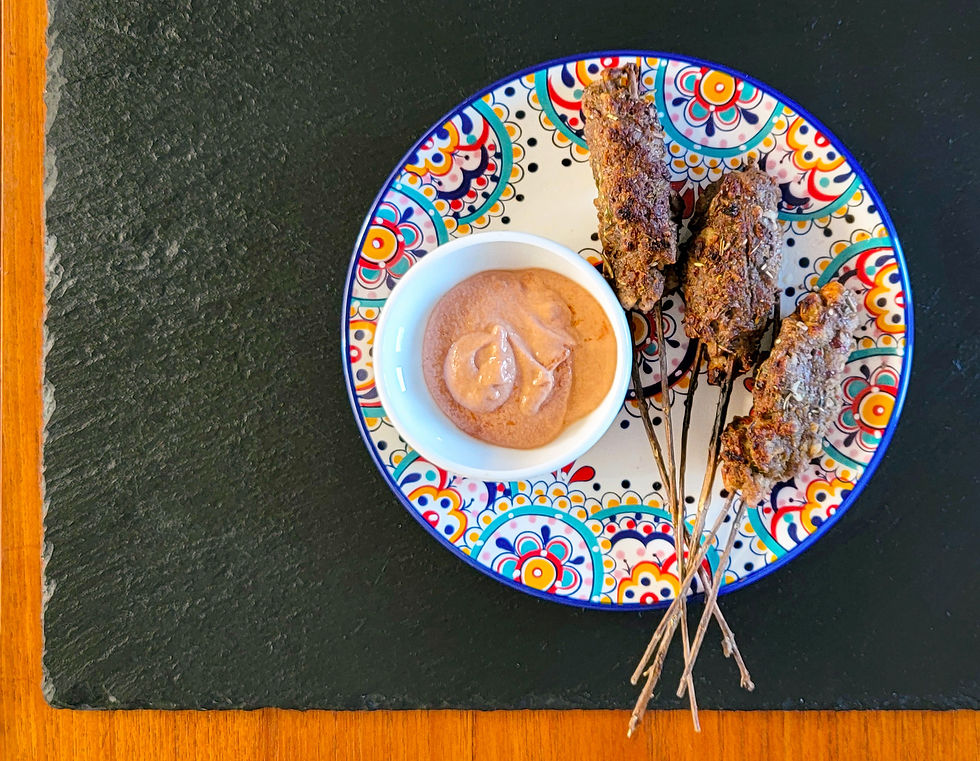
Recipe: Rosemary Stick Kofta Kebabs with Harissa Yogurt Dipping Sauce
This recipe uses stripped rosemary stems as skewers to grill or broil kebabs. The aroma released from the stems during roasting infuses the meat with even more rosemary goodness. Kofta is used in Middle Eastern cuisine, so we paired these ground meat kebabs with a Harissa and Yogurt Dipping Sauce to round out this appetizer, tapas item, or main course.
Ingredients:
Kofta Kebabs:
1 pound of ground beef (substitute other ground meat or Beyond Meat)
1/3 cup breadcrumbs
1/4 large red onion, grated
1 tbsp Rosemary Reserve Blend
1 egg
18 rosemary branches, stripped and about 12" long
Harissa Yogurt Dipping Sauce:
Mix equal parts harissa and yogurt
Instructions:
Pre-soak rosemary sticks in water for 1/2 hour. This will prevent them from burning during broiling.
In a large mixing bowl, mix all ingredients (except the rosemary sticks) together until evenly blended.
Using two rosemary sticks for each kebab, form meat into cylinders around the sticks, leaving at least half of the stick exposed. Using two sticks will make it easier to flip in the broiling process.
Sprinkle salt and a few extra pinches of Rosemary Reserve Blend over both sides of the kebabs.
Place kebabs on a broiling pan and set the pan on the second highest shelf in the oven. Broil kebabs until the top develops a browned crust. Cooking time will vary depending on your oven type, so keep an eye on these as they broil.
Turn your kebabs and repeat for the second side.
Remove from broiler and serve with Harissa Yogurt Dipping Sauce.
Serve and enjoy!
Recipe: Rosemary Tea Infusion
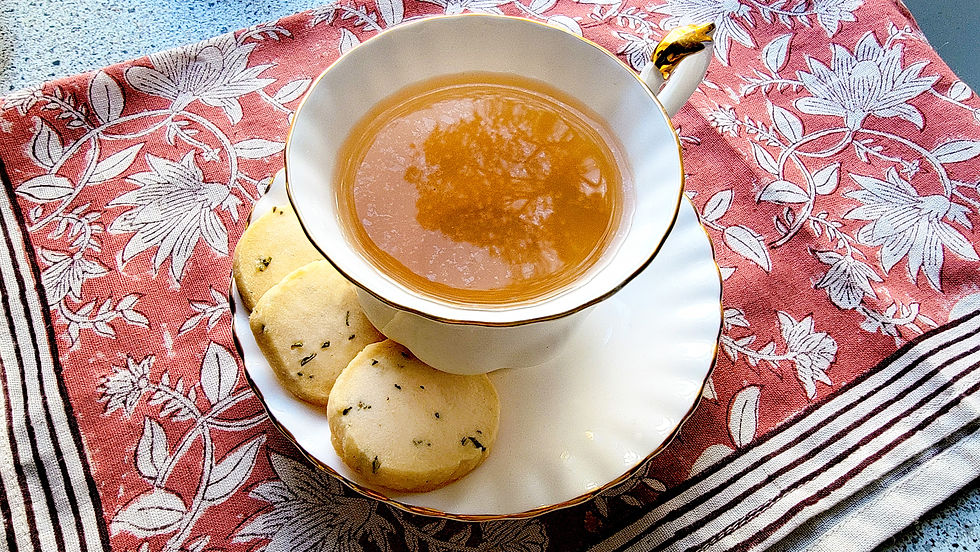
Rosemary Tea Infusion has traditionally been used to relieve bloating, sluggish digestion, and mild cramping. It’s a delicious, refreshing drink, whether taken hot or cold, and it’s mildly stimulating, with an uplifting aroma. (13)
Ingredients:
4–6 tbsp dried or 6–8 tbsp fresh rosemary leaves, stripped from the stems
Distilled water
Instructions:
Bring a kettle of distilled water to a boil.
Add rosemary leaves to a glass quart jar.
Pour the boiling water over the leaves into the jar and fill to the top. More leaves will brew a stronger tea infusion.
Steep for 35–45 minutes. Longer steeping time will also brew a stronger tea infusion.
Strain leaves and drink.
Sources
(1) Medical News Today: Everything you need to know about rosemary: https://www.medicalnewstoday.com/articles/266370#benefits
(2) BBC News: What does rosemary do to your brain? https://www.bbc.com/news/magazine-33519453
(3) PubMed Central: National Library of Medicine: Antioxidant and Antimicrobial Properties of Rosemary (Rosmarinus officinalis, L): A Review: https://pmc.ncbi.nlm.nih.gov/articles/PMC6165352/
(4) Tea & Coffee: 8 Surprising Benefits of Rosemary Tea: https://www.tea-and-coffee.com/blog/rosemary-tea-benefits?srsltid=AfmBOoprCf-nj9EocLJ-YtNtxSGHe3EXsJ6N_8xcqno_CdvDkQI577Ha
(5) Martha Stewart: How to Make Rosemary Water — and Everything You Can Do With It: https://www.marthastewart.com/how-to-make-rosemary-water-11738087
(6) True Leaf Market: How to Grow Rosemary from Seed: https://trueleafmarket.com/pages/rosemary-herb-growing-guide?srsltid=AfmBOooAXW6YrthAvSH-Cb777oiDUsRq_-vgpgETRAFNaPLrEPDEgfE7
(7) Gardenary.com: How to grow and harvest your own organic rosemary: https://www.gardenary.com/blog/how-to-grow-and-harvest-your-own-organic-rosemary
(8) The Spruce: How to Grow and Care for Rosemary: https://www.thespruce.com/grow-and-care-for-rosemary-plants-1403406
(9) Homestead Gardens: How Cold Hardy is Rosemary?: https://homesteadgardens.com/how-cold-hardy-is-rosemary/
(10) Savor Soil Permaculture: Rosemary - Rosmarinus officinalis: https://savoursoilpermaculture.com/rosemary-rosmarinus-officinalis/
(11) NC State University: Propagating rosemary: https://chatham.ces.ncsu.edu/propagating-rosemary/
(12) Tasterium.com Rosemary: Taste Profile, Aroma, Benefits and Health Risks: https://tasterium.com/herbs/157-rosemary.html
(13) Rosemary Tea: Rosemary Gladstar’s Medicinal Herbs: A Beginner’s Guide, pgs. 107-108
This Blog is lovingly created by Joni and Max


Comments